About
I build analytics products.
I work across analytics from the data layer all the way to the UI. I shape data models, build ETL pipelines, and create table schemas. I work with engineers to define metric calculations and the business logic behind them. I have strong opinions about data visualizations and will happily go deep into the weeds on UI.
At Open Architects, my focus is turning raw data into polished products that people who aren't analysts can open every day, understand quickly, and act on. I care about how the data is structured, how the metrics are defined, and how the final product looks and feels.
I'm a tinkerer by nature and an intense learner. If I'm not building something at work, I'm probably building something on a weekend just to learn how it works. Outside of that, you'll find me reading, spending time with my family, and cheering on the Arkansas Razorbacks.
What I Do
Product strategy and delivery
I set product direction and help turn it into something the team can actually ship. That means deciding what to build, what to leave alone, how products should fit together, and how to respond to customer feedback and changes in the market. I work closely with engineers, designers, and leadership from the initial idea through release.
Data and analytics
I work across the data stack, from table schemas and ETL pipelines to the models that power the product. I work with engineers to define how metrics are calculated and the business logic behind them. I'm comfortable getting into the SQL and data pipeline details when that's what it takes to make an analytics product work correctly.
Data visualization and UI
I care a lot about design. I think carefully about chart choice, visual hierarchy, layout, interaction, and the small details that make an interface feel polished. I like getting deep into the UI and working through what belongs on screen, how it should be presented, and how the pieces fit together.
Customer and domain research
I spend a lot of time talking to customers and learning how they actually work. Those conversations help me understand the problems behind a request and figure out what the product should do. I'm happy to get deep into a domain before deciding how we should build for it.
Still hands-on in SQL, Python, BigQuery, and Power BI. My AI of choice varies depending on which model's clichés I've gotten sick of that week.
Experience
Director of Product
Open Architects2022 - Present
- Own product direction across three product lines, deciding what to build, what to sunset, and how the products should evolve together.
- Architect and design products from concept through launch, making day-to-day decisions about workflows, interactions, information architecture, and the details of the user experience.
- Work directly with engineering across the data stack, from BigQuery schemas and data pipelines to SQL metric calculations and the business logic behind them.
- Partner closely with company leadership, design, engineering, and customers to shape product strategy, validate ideas, and turn ambiguous problems into products the team can ship.
Data Analyst
Homeschool Spanish Academy2019 - 2022
- Created & maintained company's data-driven internal reports & dashboards.
- Managed the company's data warehouse and custom-built ELT processes using Python, SQL, and dbt.
- Managed all new development projects with the programming team in accordance with SCRUM principles.
Commonplace Book
My digital commonplace book is a tool I built to store all my favorite quotes I find while reading.
Somehow he gets thoughtful, sitting by himself so much, and thinks the strangest things you ever heard. He told me, coming home, that he hoped the people saw him in the church, because he was a cripple, and it might be pleasant to them to remember upon Christmas Day, who made lame beggars walk, and blind men see.
Doctor Winter was a man so simple that only a profound man would know him as profound. Joseph was elderly and lean and serious, and his life was so complicated that only a profound man would know him to be simple.
It's a mystery. A man's at odds to know his mind cause his mind is aught he has to know it with. He can know his heart, but he dont want to. Rightly so. Best not to look in there. It aint the heart of a creature that is bound in the way that God has set for it. You can find meanness in the least of creatures, but when God made man the devil was at his elbow. A creature that can do anything. Make a machine. And a machine to make the machine. And evil that can run itself a thousand years, no need to tend it.
To some extent, greater or less, the tendency is present in everyone to enjoy the advantages of community and interrelationship but to reject the corresponding obligations.
Yes, insofar as she was concerned, Emil was already gone. They couldn't meet anymore. There was nothing for them to say. They had spent the last penny of their small change; there was nothing left but gold. The day of love tokens was past. They had now only their hearts to give each other.
I have never understood why people who can swallow the enormous improbability of a personal God boggle at a personal Devil. I can imagine that if there existed a God who loved, the devil would be driven to destroy even the weakest, the most faulty imitation of that love. Wouldn't he be afraid that the habit of love might grow, and wouldn't he try to trap us all into being traitors, into helping him extinguish love? If there is a God who uses us and makes his saints out of such material as we are, the devil too may have his ambitions; he may dream of training even such a person as myself, even poor Parkis, into being his saints, ready with borrowed fanaticism to destroy love wherever we find it.
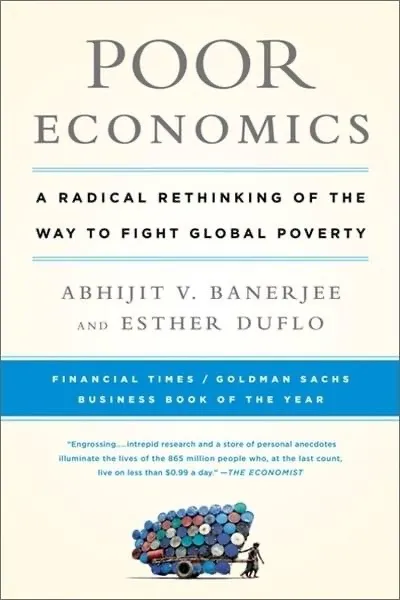
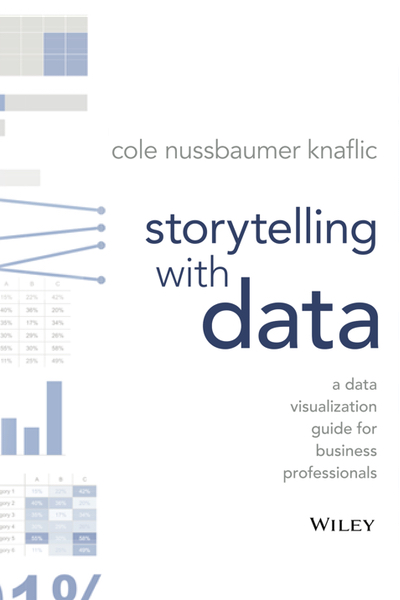
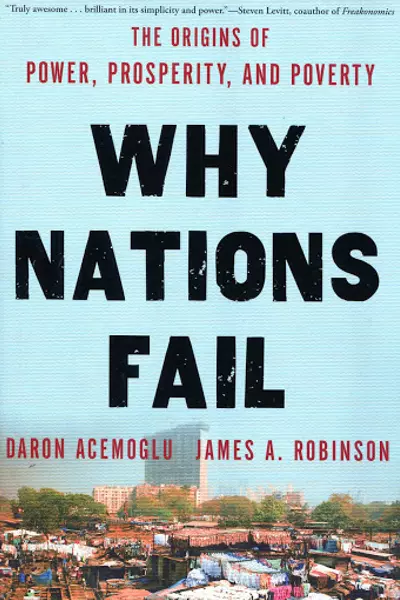
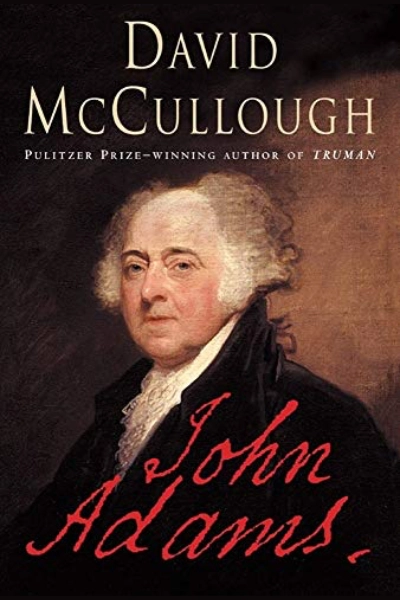
Bookshelf
I’ve been a huge book nerd since I was a kid. Here are a few of my favorites.